


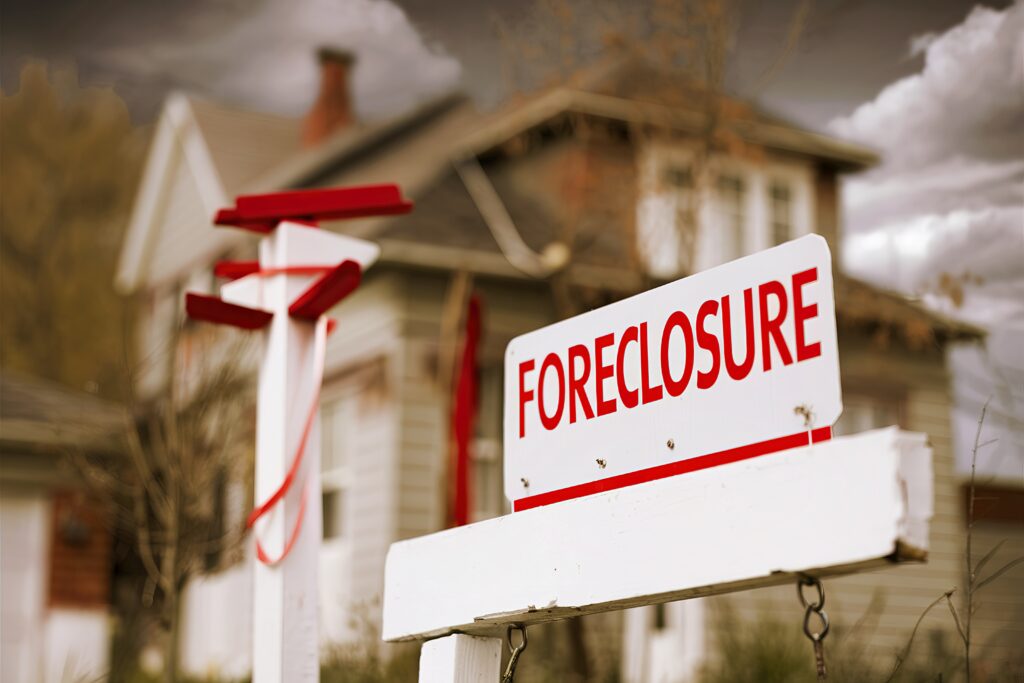
Facing Foreclosure? Here’s When You Should Contact a Bankruptcy Lawyer
Foreclosure can be one of the most stressful experiences a homeowner faces. It not only threatens the loss of your property, but can also have long-lasting impacts on your credit and overall financial stability. However, bankruptcy may offer a powerful tool to halt or manage the foreclosure process. Knowing when to reach out to a bankruptcy lawyer is crucial for maximizing your chances of a positive outcome.
If you’re staring down the barrel of foreclosure, you’re not alone, and there are options available to help protect your home and financial future. At Watton Law Group, we specialize in guiding clients through these challenging times with expert bankruptcy advice.
Don’t wait until it’s too late; schedule a free consultation today to explore how bankruptcy might provide the relief you need.
Please note that bankruptcy laws and protections may vary by jurisdiction. Only a qualified bankruptcy attorney who is licensed in your area can evaluate your specific situation and give you accurate, personalized advice.
Understanding Foreclosure and Bankruptcy Basics
Foreclosure occurs when a lender seeks to repossess a property due to missed mortgage payments. The process typically begins with a notice of default and can escalate to a sheriff’s sale or auction if unresolved. Bankruptcy, on the other hand, is a legal proceeding that allows individuals to reorganize or discharge debts under court supervision.
Two common types of bankruptcy relevant to foreclosure are:
- Chapter 7 Bankruptcy: This liquidation option can discharge unsecured debts, potentially freeing up funds to catch up on your mortgage. It may temporarily stop foreclosure through an automatic stay, but it doesn’t always provide a long-term solution for keeping your home.
- Chapter 13 Bankruptcy: Often called a “wage earner’s plan,” this allows you to restructure debts into a manageable repayment plan over three to five years. It’s particularly effective for halting foreclosure by enabling you to cure mortgage arrears while keeping your property.
While bankruptcy isn’t a one-size-fits-all solution, it can provide breathing room and prevent immediate property loss. Consulting with Watton Law Group early ensures you understand which chapter, if any, aligns with your situation.
Early Warning Signs: When to Act
The sooner you involve a bankruptcy attorney, the more options you’ll have.
Here are critical moments when contacting a lawyer is essential:
- You’ve Received a Foreclosure Notice: This is often the first formal step from your lender. An automatic stay triggered by filing for bankruptcy can pause the process, giving you time to negotiate or reorganize.
- You’re Falling Behind on Payments: If you’re struggling with mortgage payments due to job loss, medical bills, or other hardships, don’t ignore the issue. A lawyer can assess if bankruptcy could consolidate your debts and make home retention feasible.
- Other Debts Are Overwhelming You: High credit card debt, medical expenses, or personal loans can exacerbate mortgage issues. Bankruptcy might eliminate or reduce these, allowing you to focus on your home.
- Loan Modification Attempts Have Failed: If you’ve tried working with your lender on a modification or forbearance without success, bankruptcy could be the next step to force a structured repayment.
- You’re Considering Selling Your Home: In some cases, bankruptcy can facilitate a short sale or provide exemptions to protect equity. A lawyer can guide you on timing to avoid unnecessary losses.
Remember, state laws vary, and federal bankruptcy rules apply nationwide. Professional advice tailored to your area and circumstances is key to avoiding pitfalls.
Benefits of Consulting a Bankruptcy Lawyer Promptly
Acting early isn’t just about stopping foreclosure; it’s about strategic planning. A skilled attorney can:
- Evaluate your financial picture holistically.
- Help you gather the necessary documentation for filing.
- Represent you in court to ensure your rights are protected.
- Explore alternatives like debt settlement or refinancing if bankruptcy isn’t ideal.
Delaying can limit your options, as foreclosure timelines are strict. For instance, once a sale date is set, reversing course becomes more difficult.
Common Myths About Bankruptcy and Foreclosure
It’s important to dispel misconceptions that might deter you from seeking help:
- Myth: Bankruptcy Ruins Your Credit Forever – While it impacts your score for 7-10 years, many rebuild credit sooner through responsible habits.
- Myth: You’ll Definitely Lose Your Home – Chapter 13 often allows homeowners to keep their property by catching up on payments.
- Myth: Filing Is Too Complicated – With experienced counsel, the process is navigable and can lead to a fresh start.
Don’t Wait. Call Watton Law Group Today!
At Watton Law Group, our team has helped countless clients navigate financial challenges and emerge stronger.
Facing foreclosure is daunting, but you have rights and resources at your disposal. If any of the signs above resonate with your situation, it’s time to take proactive steps.